town
Veliko Tarnovo Old Town
After the uprising of 1185, Tarnovo became the political, ecclesiastical, and cultural capital of the Second Bulgarian Empire.
About this place
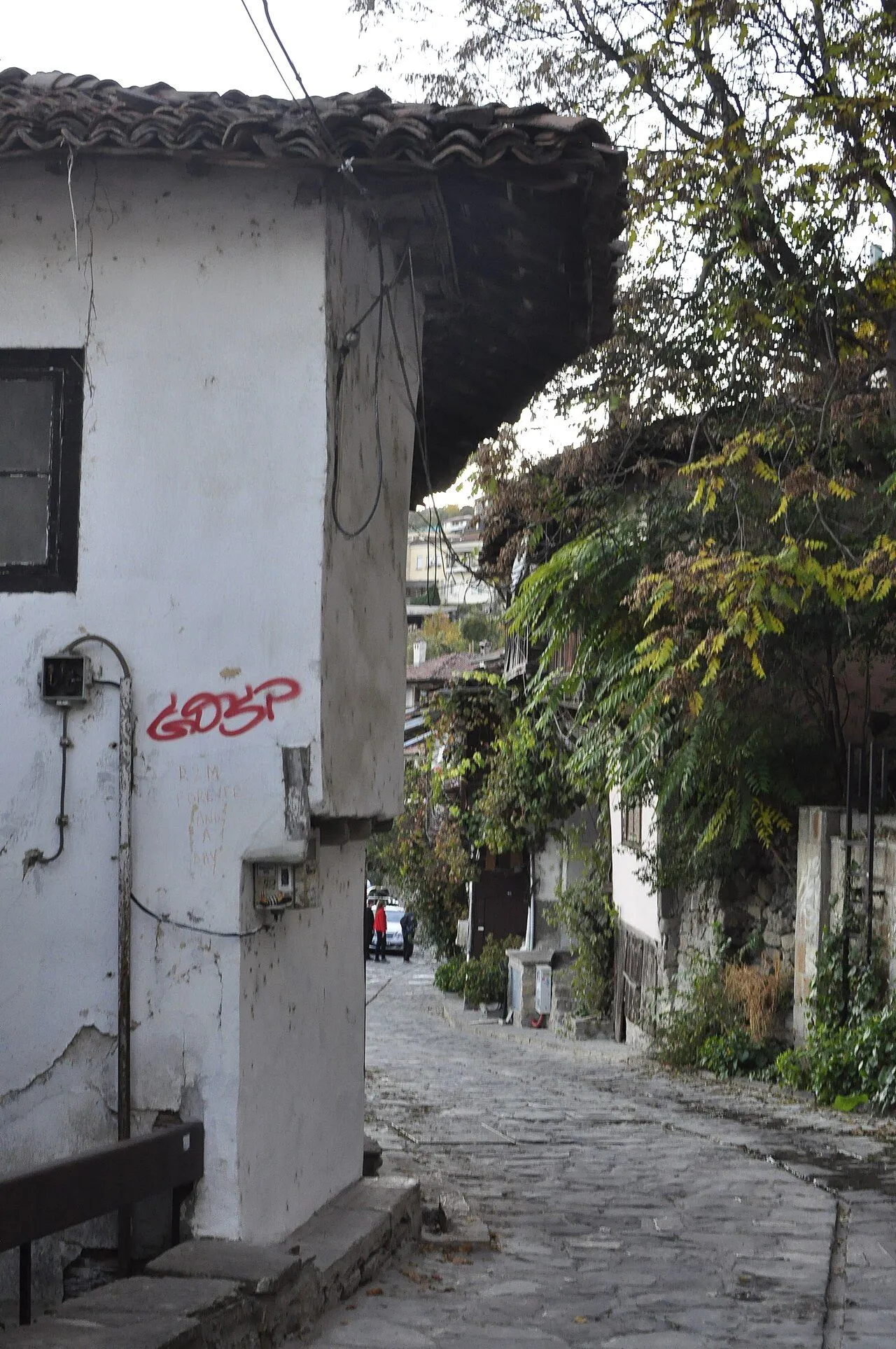
After the uprising of 1185, Tarnovo became the political, ecclesiastical, and cultural capital of the Second Bulgarian Empire. The historic urban landscape extends around the hills of Tsarevets, Trapezitsa, and Sveta Gora above bends of the Yantra River. The old town is characterized by steep streets, layered hillside houses, churches, museums, General Gurko Street, and the Samovodska Charshia craft quarter. In 1879 the Constituent Assembly met in Tarnovo and adopted the Tarnovo Constitution, a foundational event of modern Bulgaria. Public streets and viewpoints do not share a single admission regime, but museums, churches, reserves, and craft venues have separate schedules and entry conditions. Recheck the linked official sources shortly before visiting because access, schedules, tours and road conditions can change.
Access information
- Public streets and viewpoints do not share a single admission regime, but museums, churches, reserves, and craft venues have separate schedules and entry conditions.
- Expect steep gradients, cobbles, stairs, narrow pavements, and traffic on some routes; step-free continuity through the historic core is limited.
- Parking is constrained in parts of the old town. The coordinate is a representative center pin between major heritage areas, not a specific entrance or guaranteed parking location.
Location
43.08440, 25.64110. Coordinates are for orientation, not parking or turn-by-turn navigation.
Sources and freshness
Editorial research by Bulgaria Unfolded. Last checked . Reconfirm changing access details before departure.